AEROFLEX SEALING MATERIAL

blogs

Non-Asbestos Cylinder Head Gasket Facing Material
blogs

Non-Asbestos Cylinder Head Gasket Facing Material: Key Benefits for Modern Engines

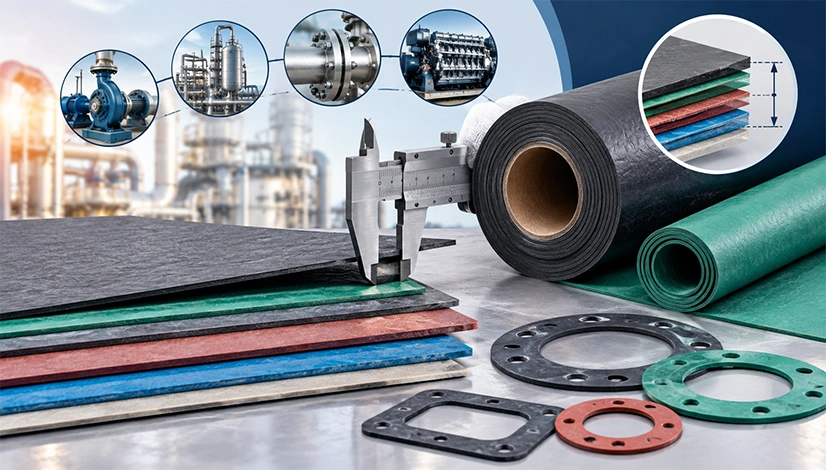
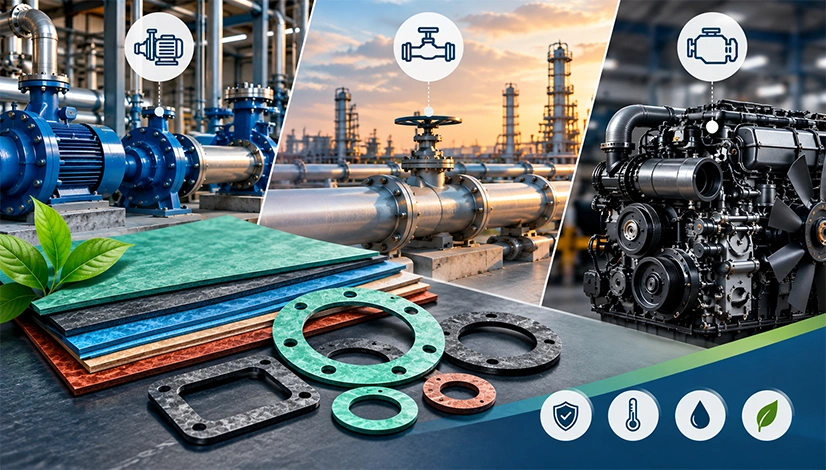
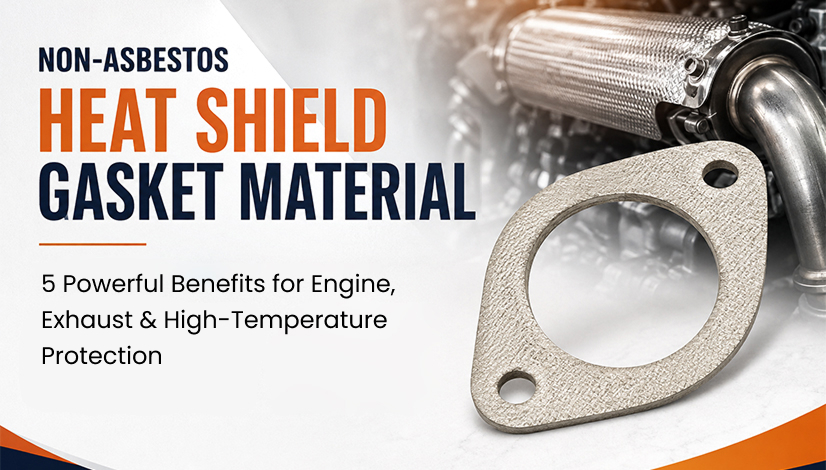
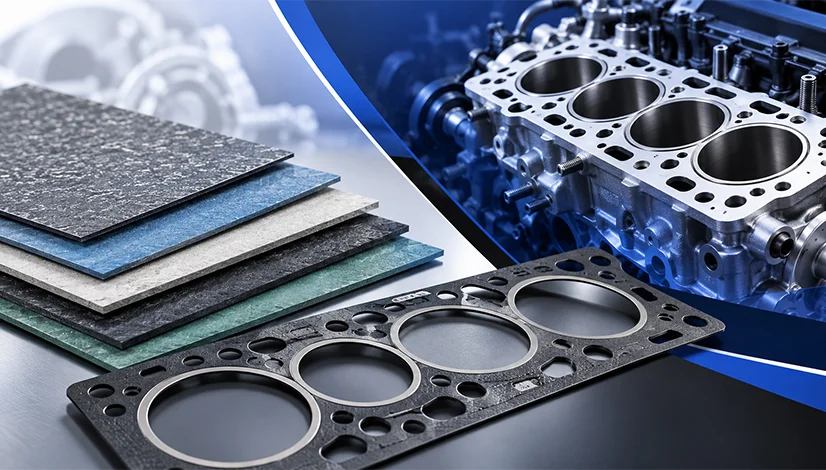
Engine reliability depends heavily on sealing performance. Even minor leakage in combustion chambers can reduce efficiency, increase emissions, and damage critical components. This is why manufacturers increasingly rely on Non-Asbestos Cylinder Head Gasket Facing Material for safer, stronger, and more durable engine sealing. Designed to withstand extreme heat, pressure, and vibration, these advanced materials deliver consistent performance in demanding automotive and industrial environments. For Indian OEMs and engine rebuilders, they offer a compliant, high-performance alternative to legacy asbestos-based solutions. What Is a Cylinder Head Gasket Facing Material? Cylinder head gaskets sit between the engine block and cylinder head, sealing combustion gases, coolant, and oil passages. The facing layer bonded to the gasket core is critical because it: High-quality Cylinder Head Gasket Material must balance compressibility, strength, and thermal resistance to maintain sealing integrity over long service cycles. Why Non-Asbestos Materials Replaced Traditional Options For decades, asbestos was used in gasket construction due to heat resistance and durability. However, strict health and environmental regulations led to a global shift toward safer alternatives. Modern Non-Asbestos Gasket Sheets use advanced fiber blends, elastomer binders, and reinforcing fillers to match or exceed the performance of older materials—without associated health risks. These materials are now standard across automotive manufacturing and engine servicing industries. Role of Non-Asbestos Cylinder Head Gasket Facing Material in Engine Performance 1. Reliable Combustion Sealing During engine operation, combustion chambers face intense pressure cycles. The facing layer must prevent gas blow-by that reduces compression and power output. Non-Asbestos Cylinder Head Gasket Facing Material provides consistent sealing even under fluctuating loads. 2. High-Temperature Stability Engines generate extreme heat, especially around exhaust ports and turbocharged systems. As a High Temperature Gasket Material, it resists thermal degradation, carbonization, and cracking that can compromise seal quality. 3. Fluid Compatibility Modern engines circulate coolant, lubricants, and fuel mixtures across complex channels. Quality Engine Gasket Facing Material resists chemical attack, preventing swelling, softening, or material breakdown. 4. Vibration and Load Endurance Constant vibration and torque cycles stress gasket assemblies. The facing material absorbs mechanical strain while maintaining surface contact and seal compression. Where These Materials Are Used Advanced gasket facings support a wide range of Automotive Sealing Solutions, including: They are also used by gasket fabricators and OEM suppliers that manufacture precision sealing components for domestic and export markets. Material Performance Comparison Feature Non-Asbestos Facing Material Conventional Asbestos Material Health & Safety Environmentally compliant Hazardous and restricted Heat Resistance Excellent thermal stability High but unsafe handling Mechanical Strength Strong fiber reinforcement Good but brittle over time Chemical Resistance Resistant to oils & coolants Moderate resistance Regulatory Acceptance Fully approved in modern manufacturing Banned or restricted This shift makes non-asbestos options the preferred choice for sustainable and compliant engine production. Engineering Properties That Matter Most Heat Resistance Engines operate across wide thermal ranges. Heat Resistant Gasket Sheets maintain structural integrity without losing elasticity or sealing pressure. Compression & Recovery Effective seals require controlled compressibility with strong rebound. This ensures tight sealing after torque cycles and thermal expansion. Tensile Strength Reinforced fiber structures prevent tearing during installation and long-term use. Surface Conformability Facing layers adapt to flange irregularities, ensuring complete contact and eliminating microscopic leak paths. Contribution to Engine Leak Prevention Leakage inside engines can cause oil mixing, coolant loss, overheating, and pressure drops. Over time, this leads to: High-quality Engine Leak Prevention Materials minimize these risks by creating durable seals that withstand real-world operating stress. Manufacturing Quality and Supplier Expertise Material performance depends on precision manufacturing, formulation expertise, and strict quality control. Trusted Indian manufacturers like Aeroflex Sealing Material Mfg. Co. develop engineered sealing materials tailored for modern engine requirements. With specialized production capabilities and material research, they support OEMs, gasket converters, and automotive component suppliers across domestic and global markets. Why Indian OEMs Prefer Advanced Non-Asbestos Materials India’s automotive and industrial engine sectors operate under demanding conditions: Modern non-asbestos materials handle these challenges while meeting evolving environmental and safety standards. This makes them a reliable choice for manufacturers focused on durability, compliance, and lifecycle cost efficiency. Frequently Asked Questions What makes non-asbestos gasket facing safer? They eliminate harmful mineral fibers while maintaining high heat and pressure resistance, making them safer for workers and compliant with regulations. Can these materials handle turbocharged engine temperatures? Yes. Advanced formulations are designed for extreme thermal zones, including high-performance and forced-induction engines. Are non-asbestos gasket sheets suitable for heavy vehicles? Absolutely. They are widely used in commercial vehicles, off-road machinery, and industrial engines. How do they prevent engine fluid leaks? They create uniform surface seals that block oil, coolant, and combustion gas escape under pressure. Do they require special installation methods? No. They are compatible with standard gasket manufacturing and installation practices. Final Thoughts Engine efficiency and durability depend on precision sealing. Advanced non-asbestos facing materials deliver the strength, flexibility, and thermal resistance required in modern powertrains. Choosing the right material ensures compliance, performance, and long-term reliability. For engineered sealing materials built to meet demanding automotive standards, explore advanced solutions from Aeroflex Sealing Material Mfg. Co. and equip your engines with dependable, future-ready sealing performance.

blogs

Automotive OEM Gasket Material Selection: Key Factors for Engine Applications

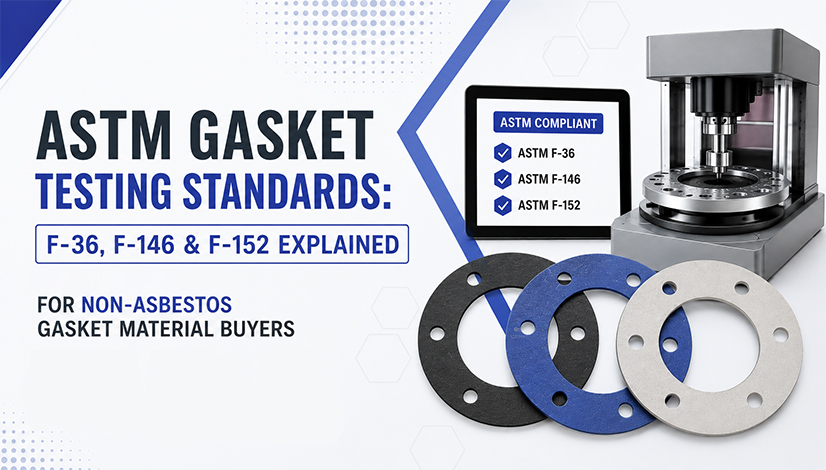
Selecting the right gasket material is critical for engine reliability, emission compliance, and long-term durability. For automotive manufacturers in India, the decision is not just technical, it directly impacts warranty claims, thermal efficiency, and supply stability. Automotive OEM Gasket Material Selection requires a structured evaluation of temperature limits, chemical exposure, sealing pressure, compliance standards, and supplier capability. This guide explains the real-world factors OEMs consider when choosing engine gasket sheet materials for modern automotive applications. Understanding Automotive OEM Gasket Material Selection in Engine Design Modern engines operate under extreme mechanical and thermal stress. Cylinder head zones, exhaust manifolds, oil pans, and turbo assemblies demand materials that can withstand: Continuous high temperatures Fluctuating pressure cycles Oil, coolant, and fuel exposure Long-term compression load This is why Automotive OEM Gasket Material Selection focuses on engineered sheet materials rather than generic sealing sheets. OEM engineers evaluate: Thermal resistance limits Compressibility and recovery Chemical compatibility Creep relaxation behavior Thickness tolerance and density consistency In India’s competitive automotive ecosystem, performance stability across high production volumes is equally important. Why Non Asbestos Beater Addition Gasket Materials Dominate Modern Engines With asbestos banned in most regulated markets, non asbestos beater addition gasket materials have become the preferred choice for automotive applications. These materials are manufactured using cellulose, synthetic fibers, elastomers, and fillers processed through a beater addition method. The result is: Uniform fiber distribution Controlled density Excellent oil resistance Stable sealing under medium to high temperatures For engine applications such as oil pumps, timing covers, and transmission housings, these materials deliver consistent performance without environmental or compliance risks. Key OEM Gasket Material Requirements for Engine Applications When it comes to OEM gasket material requirements, automotive companies look beyond just temperature ratings. Here are the primary performance factors evaluated: Thermal Stability Engines generate high and fluctuating temperatures. A high temperature gasket sheet for engines must resist thermal degradation, carbonization, and cracking. Oil & Fluid Resistance Engine compartments contain lubricants, fuels, and coolants. This makes oil resistant gasket materials essential for long service life. Mechanical Strength Gasket sheets must handle bolt load without crushing while maintaining recovery after compression. Dimensional Accuracy Uniform thickness and density ensure consistent sealing in automated assembly lines. Compliance & Testing Materials must meet recognized gasket material testing standards such as: ASTM F36 (Compressibility) ASTM F38 (Creep relaxation) ASTM D2000 (Rubber properties) DIN and BS automotive specifications Types of Engine Gasket Sheet Materials Used by OEMs Below is a simplified comparison table to understand how different materials are evaluated. Material Type Temperature Range Oil Resistance Typical Applications Non asbestos beater addition sheets Medium to high Excellent Oil pan, timing cover Graphite composite sheets High Moderate Exhaust manifolds Metal reinforced sheets Very high Excellent Cylinder head Rubber bonded fiber sheets Medium Very good Transmission housing For most Indian automotive applications, engine gasket sheet materials made using beater addition technology offer the best balance of cost, performance, and manufacturability. How OEMs Evaluate an Automotive Gasket Material Manufacturer Material quality is only one part of the equation. The capability of the automotive gasket material manufacturer plays a critical role in final approval. OEMs assess: Manufacturing consistency Batch traceability In-house testing facilities Raw material quality control Production scalability Custom formulation capability A reliable automotive sealing material supplier must provide: Technical data sheets Lab test reports Long-term supply agreements Custom thickness options Stable pricing for high-volume orders Real-World Factors Influencing Automotive OEM Gasket Material Selection Beyond lab testing, practical application factors influence the final choice. Engine Design Complexity Compact engine designs increase sealing pressure and thermal load, requiring higher-grade materials. Emission Regulations BS6 and global emission norms demand improved sealing to prevent leakage and maintain combustion efficiency. Cost-to-Performance Ratio OEMs balance durability with cost efficiency. High-end materials may be unnecessary for medium-duty applications. Assembly Line Compatibility Materials must perform well in automated cutting, punching, and die processes. These real-world considerations define effective Automotive OEM Gasket Material Selection strategies. Why Indian OEMs Prefer Domestic Manufacturers Indian automotive brands increasingly partner with local manufacturers for: Faster lead times Custom development support Competitive pricing Reduced import dependency Companies like Aeroflex Sealing Material Manufacturing Company provide engineered non-asbestos gasket sheet materials tailored to automotive engine applications. With controlled manufacturing processes and strict quality testing, domestic suppliers help OEMs maintain production continuity while meeting global standards. Technical Evaluation Checklist for OEM Buyers Before finalizing a supplier, procurement and R&D teams typically verify: Material density consistency Thermal aging performance Oil immersion results Compression set values Tensile strength Thickness tolerance This systematic review ensures compliance with strict OEM gasket material requirements. FAQs 1. What is the best material for engine gasket sheet applications? For most automotive engines, non-asbestos beater addition sheets offer a strong balance of temperature resistance, oil compatibility, and cost efficiency. 2. How do OEMs test gasket materials before approval? OEMs follow standardized gasket material testing standards such as ASTM and DIN tests to evaluate compressibility, creep relaxation, and chemical resistance. 3. Why are oil resistant gasket materials important? Engines operate in constant contact with lubricants and fuels. Without oil resistance, gaskets can swell, degrade, and fail prematurely. 4. What temperature can a high temperature gasket sheet for engines handle? Depending on formulation, these sheets typically handle medium to high continuous operating temperatures suitable for most automotive engine compartments. 5. How important is supplier capability in gasket material selection? Very important. Even the best material fails if production consistency, traceability, and technical support are weak. Final Thoughts Effective Automotive OEM Gasket Material Selection is a strategic engineering decision that directly impacts engine durability, safety, and long-term operational performance. It requires a careful balance of thermal stability, oil resistance, mechanical strength, regulatory compliance, and supplier reliability. For Indian automotive manufacturers and gasket converters, partnering with an experienced material producer ensures stable quality across production batches, strict adherence to industry testing standards, dedicated custom development support, and scalable manufacturing capacity to meet high-volume demand. If you are evaluating engine gasket sheet materials for OEM or large-scale automotive applications, connect with Aeroflex Sealing Material Manufacturing Company for

Non Asbestos Beater Addition Gasket Materials Manufacturer in India
blogs

Non Asbestos Beater Addition Gasket Materials Manufacturer in India

Non Asbestos Beater Addition Gasket Materials Manufacturer in India By Mittal / March 10, 2026 Aeroflex Sealing Material Manufacturing Company is one of the largest producers of automotive-grade Non Asbestos Beater Addition sheets engineered for durability, compliance, and export-ready quality in India. India’s automotive industry depends on precision-engineered raw materials that perform consistently under heat, oil exposure, and mechanical stress. Among these, Non Asbestos Beater Addition Gasket Materials play a critical role in the manufacturing of engine gaskets for two-wheelers, four-wheelers, and commercial vehicles. These materials are not finished gaskets, they are specialized industrial sheet materials supplied to gasket fabricators and OEM vendors for high-volume automotive production. As a focused manufacturer in this niche, Aeroflex Sealing Material Manufacturing Company produces automotive-grade beater addition sheets engineered for durability, compliance, and export-ready quality. Non Asbestos Beater Addition Gasket Materials for Automotive Manufacturing Non Asbestos Beater Addition Gasket Materials are cellulose fiber–based sheets manufactured using controlled beater processing technology. The composition typically includes: Refined cellulose fibers Heat-resistant mineral fillers Synthetic rubber binders (NBR/SBR) Performance-enhancing additives This formulation ensures the material delivers: Stable compressibility High oil and fuel resistance Strong tensile strength Dimensional stability under thermal load These sheets are supplied in bulk to automotive gasket manufacturers who convert them into precision-cut engine gaskets. Dedicated Raw Material Manufacturer – Not Finished Gasket Supplier It is important to clarify industry positioning. The company operates as a raw material manufacturer, not a retailer of ready-made gaskets. As a specialized automotive gasket material manufacturer, the focus remains on: Sheet production in controlled density ranges Uniform thickness tolerance Custom binder formulation Industrial batch consistency Large-scale supply capability This distinction is critical for OEM buyers and gasket fabricators seeking a dependable non asbestos gasket sheet supplier in India. Technical Specifications That Matter to OEM Buyers For Tier 1 and Tier 2 vendors, performance is validated through measurable parameters. High-quality Non Asbestos Beater Addition Gasket Materials typically offer: Thickness range: commonly 0.5 mm to 3.0 mm Controlled density structure Strong tensile strength Oil immersion resistance Heat resistance suitable for engine environments Reliable compression and recovery values A serious OEM gasket material manufacturer provides technical data sheets and lab-tested validation to ensure suitability for engine block, clutch cover, oil pan, and transmission sealing applications. Applications Across Automotive Segments 2 Wheeler Engine Gasket Fabrication As a 2 wheeler gasket material supplier, the material must withstand: High RPM engine vibration Oil splash exposure Continuous thermal cycling Gasket converters use these sheets for: Crankcase gaskets Cylinder head gaskets Clutch housing gaskets Consistency in fiber distribution and binder formulation ensures reliable sealing during mass production. 4 Wheeler and Passenger Vehicle Applications A 4 wheeler gasket sheet manufacturer supplying raw materials must meet higher durability expectations. Passenger vehicle engines require: Improved compression retention Enhanced oil resistance Dimensional stability during long operating cycles This is where engineered Non Asbestos Beater Addition Gasket Materials provide controlled mechanical strength and predictable performance. Why Automotive OEMs Prefer Non-Asbestos Materials Modern automotive production standards do not permit asbestos due to safety and environmental concerns. Non-asbestos beater addition sheets offer: Regulatory compliance Worker safety Export acceptance Long-term engine compatibility As an engine gasket sheet manufacturer in India serving OEM vendors, maintaining compliance with evolving automotive standards is essential for sustained supply relationships. Manufacturing Strength and Process Discipline Producing industrial-grade sheet materials requires: Controlled beater processing Uniform fiber dispersion Precision calendaring In-house quality inspection Batch-level performance validation A reliable cellulose fiber gasket material manufacturer invests in process control and continuous improvement to ensure sheet uniformity across large production volumes. Industrial buyers prioritize: Dimensional accuracy Mechanical stability Supply reliability Customization flexibility Export Quality Gasket Materials from India India has become a strong global sourcing destination for export quality gasket materials. International buyers expect: Stable batch consistency Export-compliant packaging Documented quality testing Timely shipment execution Manufacturers serving export markets must align with global performance expectations while maintaining cost efficiency. Aeroflex Sealing Material Manufacturing Company positions itself as a supplier capable of meeting both domestic OEM demand and international procurement standards. Comparison: Non-Asbestos vs Traditional Asbestos Sheets Parameter Non-Asbestos Beater Addition Sheets Traditional Asbestos Sheets Regulatory Acceptance Globally accepted Restricted in many regions Worker Safety Safe alternative Health risk Automotive OEM Approval Preferred Limited Export Viability Strong Often rejected Environmental Compliance Meets modern norms Non-compliant What Procurement Teams Should Evaluate When selecting a Non Asbestos Beater Addition Gasket Materials manufacturer in India, decision-makers should review: Manufacturing infrastructure Production capacity Technical documentation Custom thickness capability Experience in automotive supply chains Export track record Material inconsistency can directly impact gasket failure rates, production downtime, and warranty exposure. Therefore, supplier selection must be performance-driven, not price-driven alone. Industrial Collaboration and OEM Support Long-term supplier relationships are built on: Transparent technical communication Sample validation support Material customization On-time bulk supply Continuous quality improvement Automotive gasket converters and OEM vendors require a partner that understands production realities, not just product specifications. FAQs 1. What are Non Asbestos Beater Addition Gasket Materials used for? They are industrial sheet materials supplied to gasket manufacturers for producing engine and automotive sealing gaskets. 2. Are these materials suitable for high oil exposure? Yes. Properly formulated sheets provide strong oil and fuel resistance required in automotive engine systems. 3. Who buys these materials? Automotive gasket manufacturers, Tier 1 and Tier 2 OEM vendors, and industrial gasket fabricators. 4. Can thickness and density be customized? Experienced manufacturers offer customized specifications based on OEM requirements and fabrication processes. 5. Why are OEMs shifting away from asbestos sheets? Due to health regulations, environmental compliance, and better performance characteristics of modern non-asbestos materials. Final Thoughts The demand for reliable, compliant, and performance-driven sealing materials continues to grow within India’s automotive ecosystem. As a dedicated manufacturer of Non Asbestos Beater Addition Gasket Materials, industrial suppliers must deliver consistency, technical credibility, and scalable production capacity. For automotive gasket manufacturers and OEM vendors seeking a dependable Indian partner, working with an established raw material manufacturer ensures long-term supply stability and engineered performance tailored to high-volume automotive production. For technical inquiries, bulk requirements,

WhatsApp
Scroll to Top